University of Minnesota faculty are critical resources in exploring issues and concerns important to Minnesota, such as the criminal justice system, demography, state or local economic development, education, employment, energy, the environment, health, housing, state and local government, welfare and poverty, human and social services, transportation, or land use and development.
The Community Action Research Grant (formerly known at the Faculty Interactive Research Program, FIRP) encourages University faculty to carry out research projects that answer questions about these important regional issues, in partnership with community groups, agencies, or organizations in Minnesota.
Apply
An announcement regarding the competition for Community Action Research Grants is sent to faculty annually during early spring semester. The deadline for receipt of application materials is generally March.
Regular faculty members are invited to apply. Up to $45,000 in funding is provided to up to two projects per year. Faculty members who are selected will be expected to:
- Interact or engage with appropriate community organizations or agencies
- Prepare a report for the organization or agency where appropriate
- Prepare a 3500-word manuscript for publication in the CURA Reporter, our regular report of faculty research.
Grantees are required to acknowledge support from the Center for Urban and Regional Affairs in all written materials and presentations that result from work funded by this grant.
Community Action Research Grant links
- Most Recent Community Action Research Grant call for proposal
- Sign up for CURA’s email list to hear about the next Community Action Research Grant deadline
- CURA Reporter archive on the UMN Digital Conservancy, including Community Action Research Grant research projects
- Community Action Research Grant news and project abstracts
- Guidelines for CURA Reporter Articles
- Community Action Research Grant grant policies
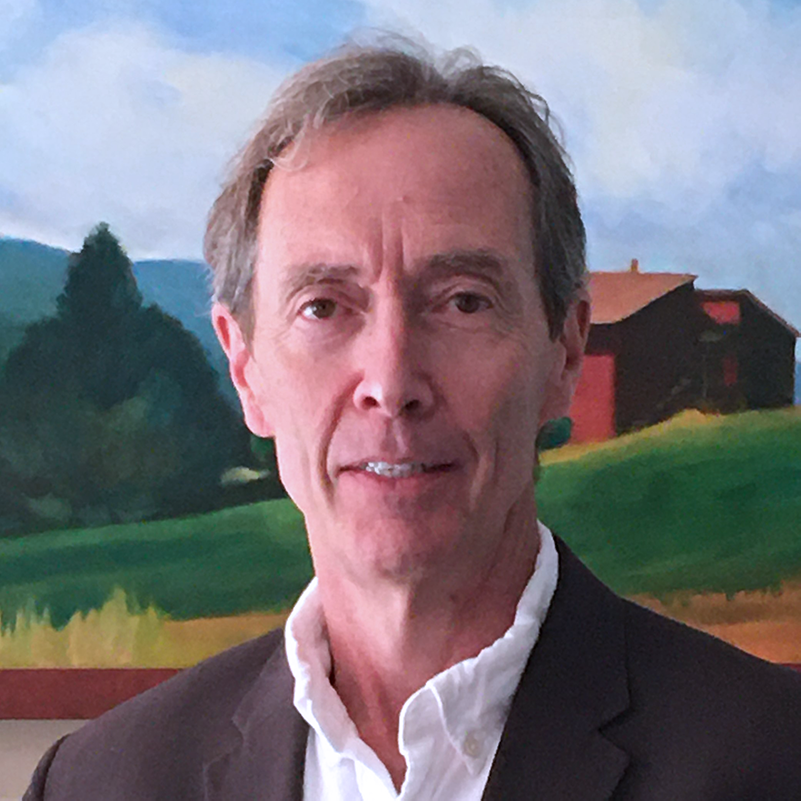
Edward Goetz
Edward G. Goetz is director of CURA and a faculty member at the Humphrey School of Public Affairs.
Ed specializes in housing and local community development planning and policy. His research focuses on issues of race and poverty and how they affect housing policy planning and development. Before coming to the University of Minnesota in 1988, he worked at the mayor's Office of Housing and Economic Development in San Francisco and for several nonprofit community developers in Los Angeles and San Francisco. He has served on the board of directors of nonprofit housing agencies in the Twin Cities, and on several regional commissions related to affordable housing and development.
He is the author of The One-Way Street of Integration: Fair Housing and the Pursuit of Racial Justice in American Cities (Cornell University Press, 2018), New Deal Ruins: Race, Economic Justice, and Public Housing Policy (Cornell University Press, 2013), Clearing the Way: Deconcentrating the Poor in Urban America (2003, Urban Institute Press), Shelter Burden: Local Politics and Progressive Housing Policy (1993, Temple University Press), and co-editor of The New Localism: Comparative Urban Politics in a Global Era (1993, Sage Publications).
Related programs